
From Concept to Mass Production: INNOPACKING Visits YeeHoO to Discuss the Implementation of Packaging Innovation
INNOPACKING: Explore In's YeeHoO, where we discuss packaging creativity—from the stable transition of design drafts to mass production—focusing on color, structure, materials, and development processes.
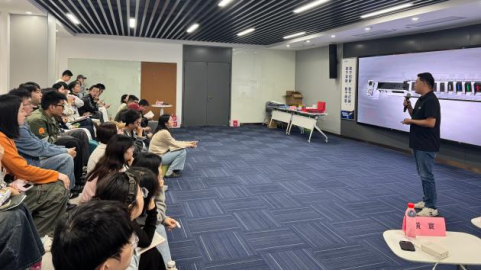
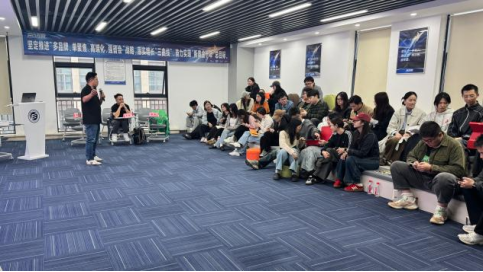
Recently, Huang Huan, General Manager of Guangdong INNOPACKING Technology Co., Ltd. (hereinafter referred to as "INNOPACKING"), and color consultant Luo Chao were invited to visit YeeHoO (Ingersoll Children's Products Group Co., Ltd.) to deliver a specialized technical presentation on packaging innovation to the Ingersoll team, titled "From Concept to Mass Production: Implementing Packaging Innovation Driven by Color, Craftsmanship, Structure, and Materials." Focusing on the full value chain from packaging concept to mass production, the two parties engaged in discussions on topics including color management, craft application, structural innovation, material selection, development processes, and cost reduction.
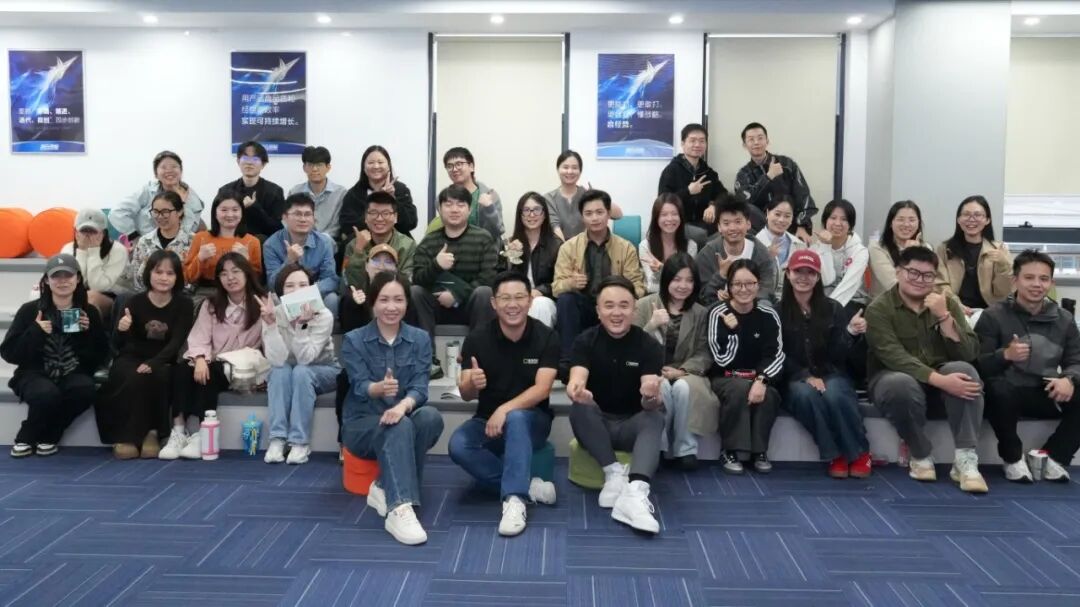
Founded in 1995, YeeHoO is a premium lifestyle brand specializing in products for infants and toddlers aged 0–6 years. Its product range spans multiple categories—including clothing, food, bedding, mobility solutions, and companionship products—while adhering to a product philosophy of "purity, softness, cleanliness, and beauty" and a commitment to "value-driven design." For infant and toddler brands, packaging should not only convey messages of quality and safety but also communicate the brand's warmth within retail environments and everyday usage contexts; this is precisely the focus of this presentation.
From concept to mass production lies a "full-chain" process in between.
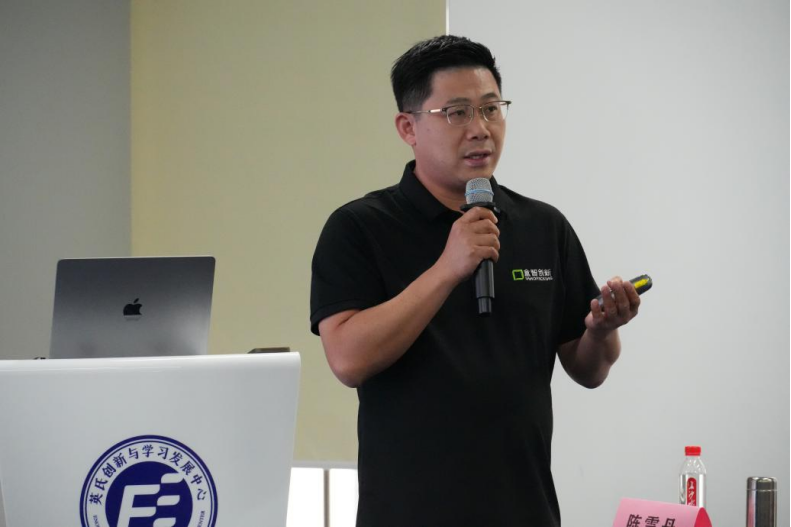
"The greatest challenge in packaging innovation often lies not in the creative concept itself, but in whether that concept can be reliably translated into mass production." During his presentation, Huang Huan took five common printing methods as a starting point and mapped out the complete workflow from printing to downstream surface finishing processes.
Color, structure, and materials: making innovation truly actionable
Color is the most "stable" element among brand assets. Consumers often form their judgment about a product within the first 2–7 seconds of seeing it; 93% of consumers consider color and appearance when making a purchase decision, and 85% of shoppers state that color is a primary consideration when purchasing a product.
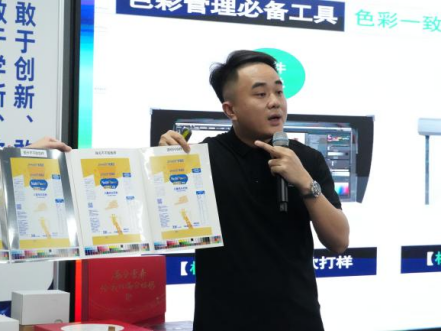
However, color is precisely the most difficult element to control in the transfer chain from the brand, designer, and prepress to printing. Luo Chao argues that "consistency is more important than perfection" when it comes to packaging colors. Brands need to apply a color dataset consistently across the board through standardized documentation, primary and secondary standard colors, visual assessments under multiple light sources combined with spectrophotometer measurements, and a color supply chain management platform.
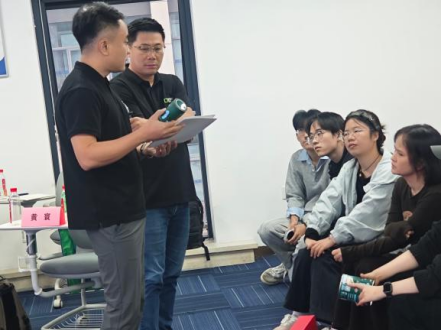
Structure determines whether packaging is functional and reliable. Communication in graphic design occurs within the few seconds during which the product is "seen"; structure, by contrast, extends that communication throughout the entire process—from unboxing and use to reuse.
This is particularly evident for baby and infant brands. Gift sets constitute an independent product line for YeeHoO; "a new joy awaits discovery" —the unboxing experience itself is part of the product experience. Meanwhile, features such as tear-away anti-theft mechanisms and child safety locks are not a value-add for the baby and infant category; they are a minimum requirement.
There are two approaches to sharing on-site. The first is a paper-based structural design that does not rely on additional slots or adhesive; instead, it achieves full protective enclosure through the paperboard's own folding, allowing it to be completely flattened and recycled after unfolding—thereby reducing material costs, saving labor, and lowering recycling difficulty. Environmental protection is not achieved by adding features; it is achieved through efficiency savings. The second is a scenario-based reuse design: during transport, it is shipped in a standard outer box; upon reaching the consumer, it can be transformed into a desk surface, storage item, or gaming accessory. All these solutions address the same question: how can the structure itself become a means of differentiated identification?
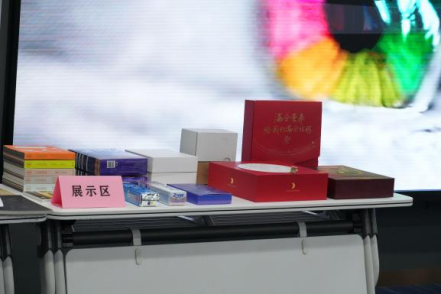
Materials should serve the value of the brand. From pulp production and papermaking to coating, this analysis explores how paper substrates influence the final product—specifically, the color of the paper substrate is referred to as the "fifth color" in CMYK printing. Anti-counterfeiting solutions based on paper substrates such as fiber-based and red-fiber options, barrier coatings for biodegradable paper cups, and lightweight white cardstock also provide greater flexibility in balancing environmental sustainability, safety, and cost when making material selections.
Streamlining processes and reducing costs ensure that quality packaging is both marketable and cost-effective.
The presentation also introduced innovative approaches to the packaging development process: from the five steps of Stanford Design Thinking to a packaging development model inspired by the open innovation concept, INNOPACKING enables solutions to enter a state that is "comparable and decision-ready" at an earlier stage through stages including innovative insight, 2D+3D modeling and visual validation, prepress finalization and regulatory review, and Physical Prototyping (with the similarity between the sample and the mass-production sample exceeding 90%).
On the cost-reduction front, Huang Huan proposed a more comprehensive approach: rather than focusing solely on lowering unit material costs, the strategy seeks opportunities throughout the entire packaging lifecycle. The industry already has mature practices: for a certain coffee brand, replacing supplementary packaging from glass to recyclable composite bags reduced packaging weight by 97%; for a certain consumer electronics brand, its "single-paper box," designed without auxiliary materials or adhesives, achieved cost reductions of up to 40%; and for a certain daily chemical brand, a single round of centralized optimization yielded cost reductions ranging from 4% to 35% across eight different adjustments. The common thread is not price suppression; rather, it is a change in the metric used for calculation.
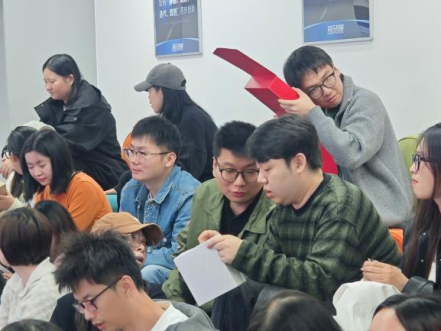
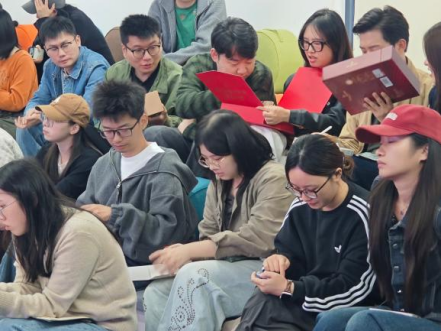
Get close to the front lines of brands and put collaborative innovation into practice.
"Do difficult yet right things; always remain resilient and optimistic; create value through packaging; and make brand communication more effective." This was the final sentence shared, and it has also been the guiding principle behind INNOPACKING throughout its history.
Building on its brand equity, INNOPACKING integrates core capabilities—including structural design, design extension and finalization, rapid prototyping, functional testing, and material customization—to help consumer brands efficiently translate innovative concepts into market value, accelerate the implementation of packaging concepts, and achieve sustained growth in brand equity.
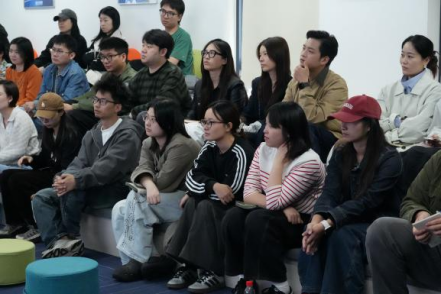
This visit to YeeHoO represents a concrete implementation of "open collaborative innovation": bringing packaging expertise directly to the brand's front line, engaging in face-to-face discussions with the brand team, and making every stage of packaging innovation—from concept development to mass production—more controllable and efficient.
Going forward, INNOPACKING will continue to collaborate with an expanding network of brand partners, turning excellent ideas into high-quality products with steadfast commitment.
This article has been compiled and archived based on posts from the company's official WeChat account; the full text and accompanying images are published on this website.